
Illicit financial flows in the Western Balkans are estimated at around six per cent of the region’s GDP — billions of euros each year that should be funding schools, hospitals and infrastructure. Beyond the numbers, this loss erodes public trust, strengthens organised crime, and slows reforms needed for EU accession.
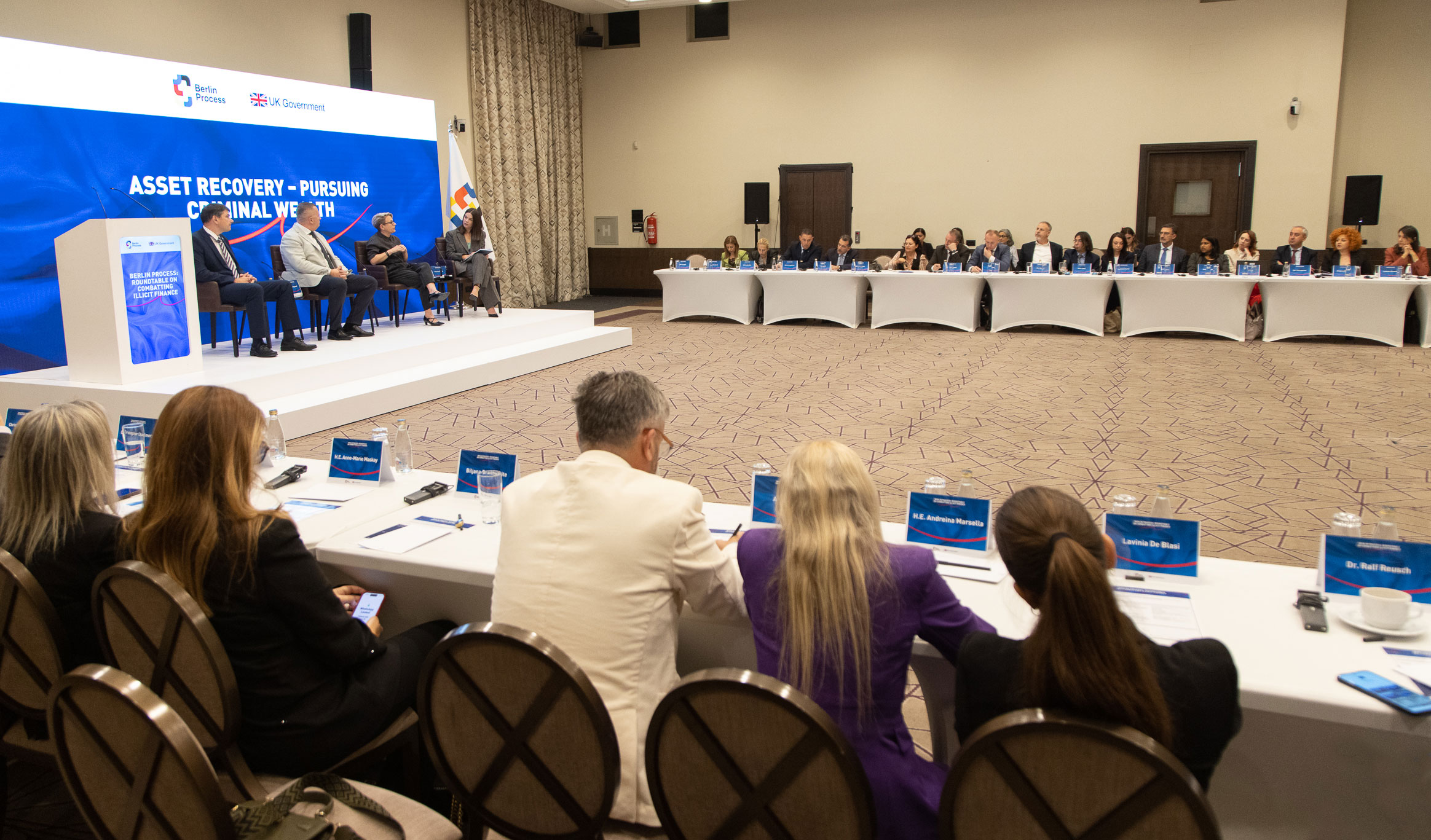
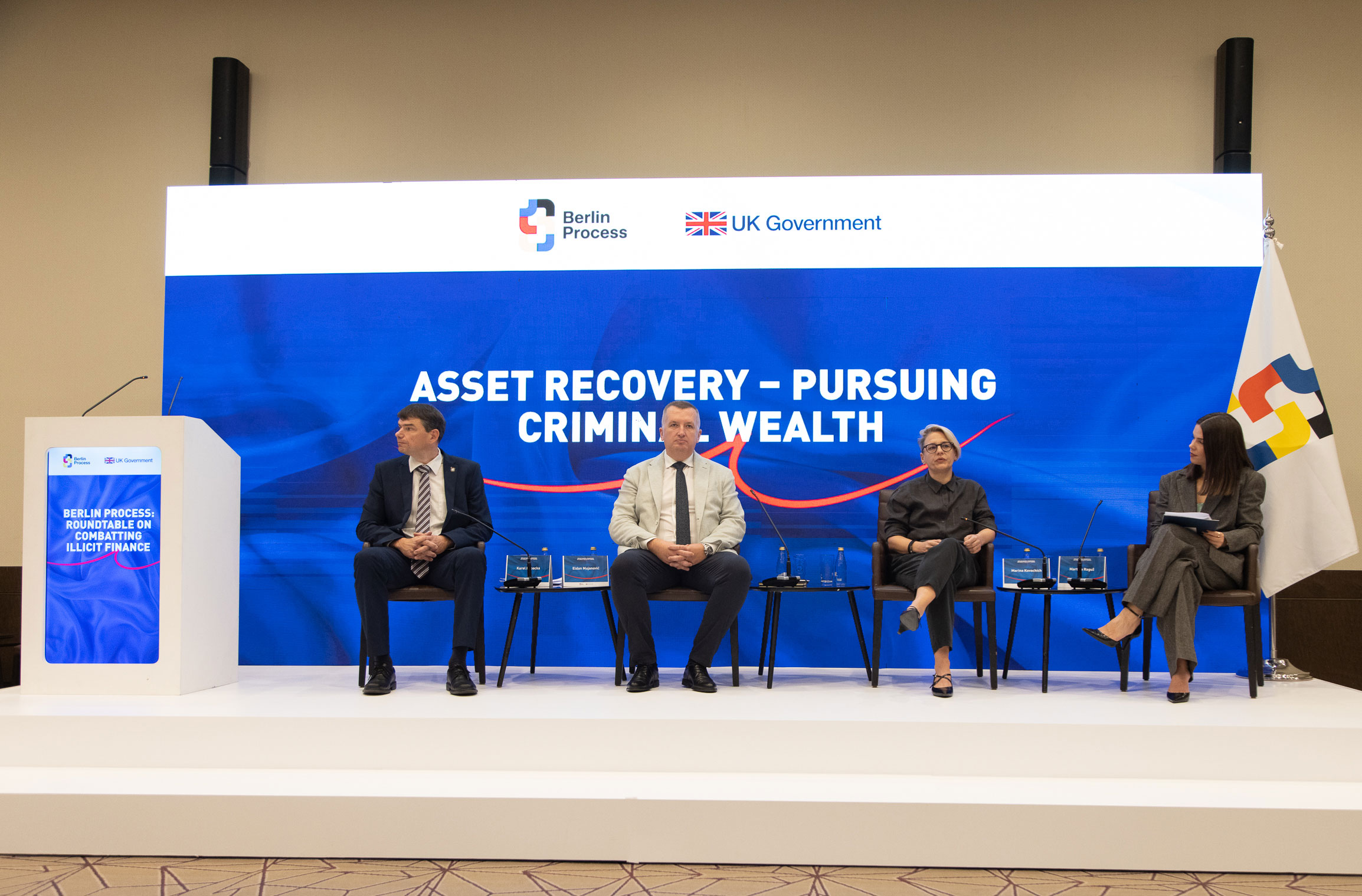
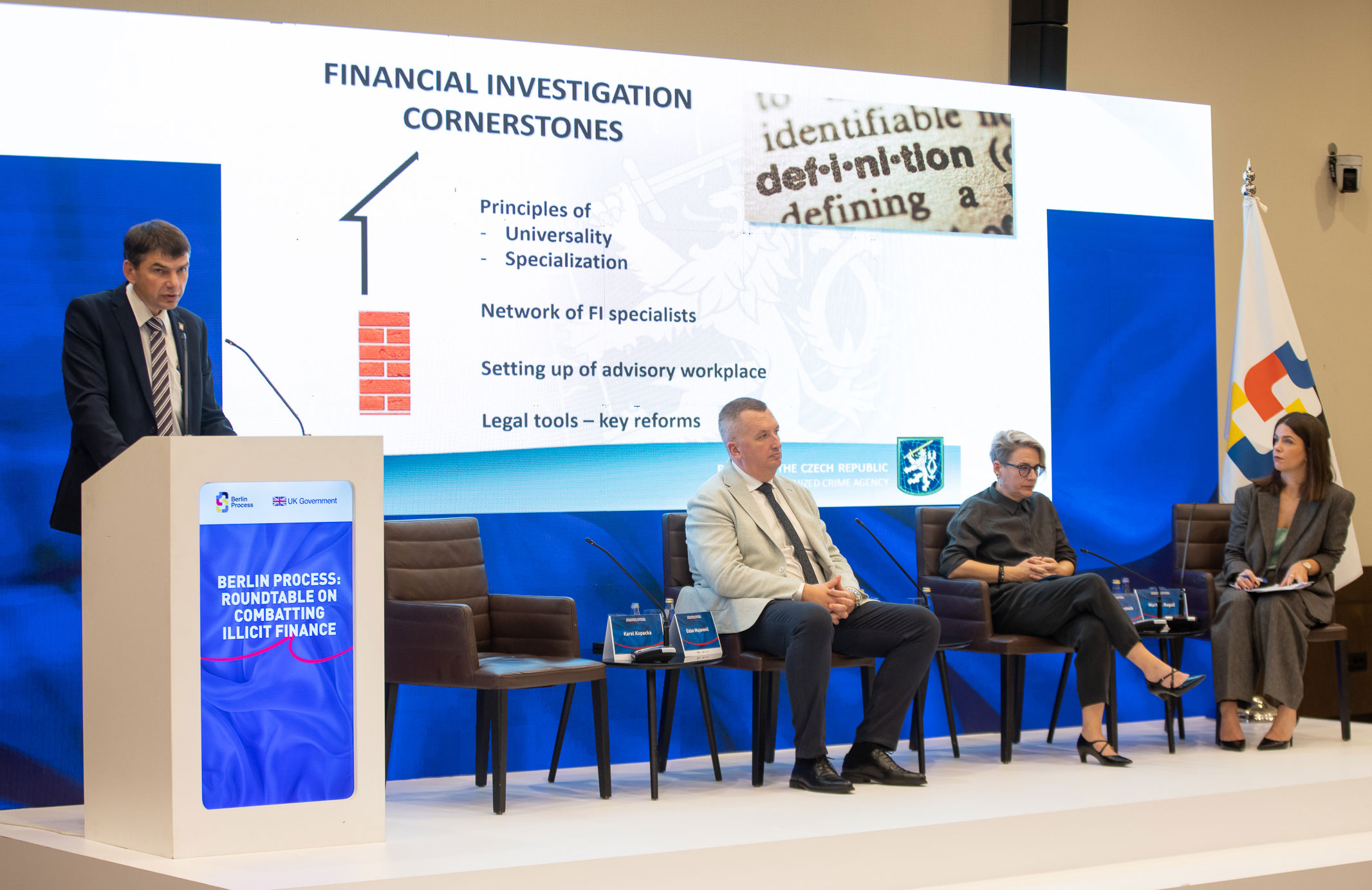
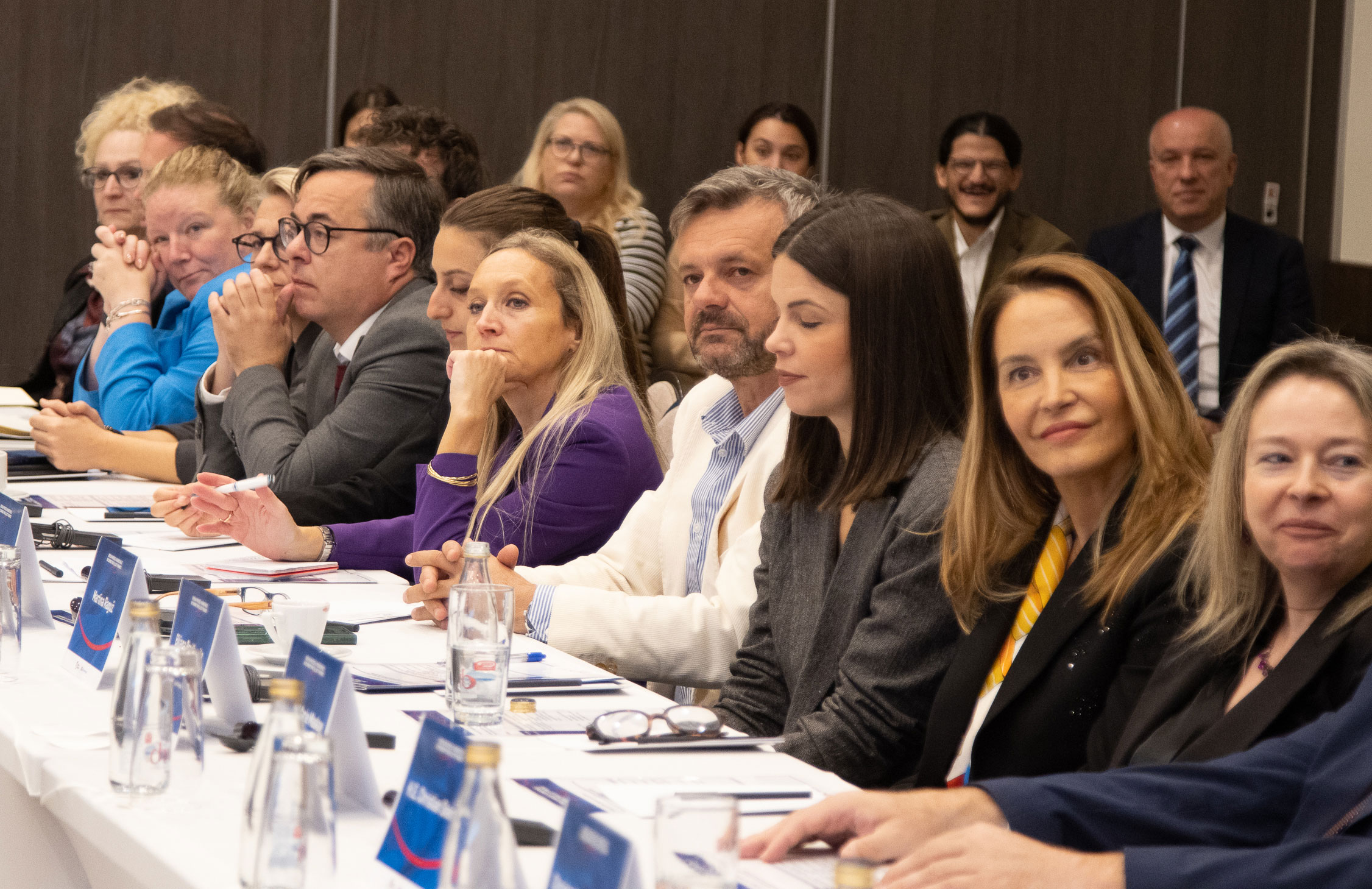
These issues were in focus at a regional roundtable on “Combatting Illicit Finance” in Podgorica, held in the run-up to the Berlin Process Summit in London later this month. The AIRE Centre’s work was featured at the panel “Asset Recovery – Pursuing Criminal Wealth”, moderated by Martina Raguž, Head of Strategic Engagement and Legal Affairs, AIRE Centre Western Balkans Programme. Speakers included Eldan Mujanović, University Professor and National Coordinator for Bosnia and Herzegovina in the AIRE Centre’s Regional Asset Recovery Network, Marina Kovachich, Senior Advisor, GIZ Combating Illicit Financial Flows Programme, and Col. Karel Kopačka, Officer of the Czech Police.
Martina Raguž opened the discussion by highlighting that asset recovery is not a narrow technical issue but a measure of a state’s commitment to the rule of law.
“If institutions cannot freeze, seize and confiscate illicit wealth, then the rule of law is theoretical. When they can — and do — it signals credibility to citizens and partners alike. That is why this agenda sits squarely within the Berlin Process, which is ultimately about security, growth and good governance”, said Raguž.

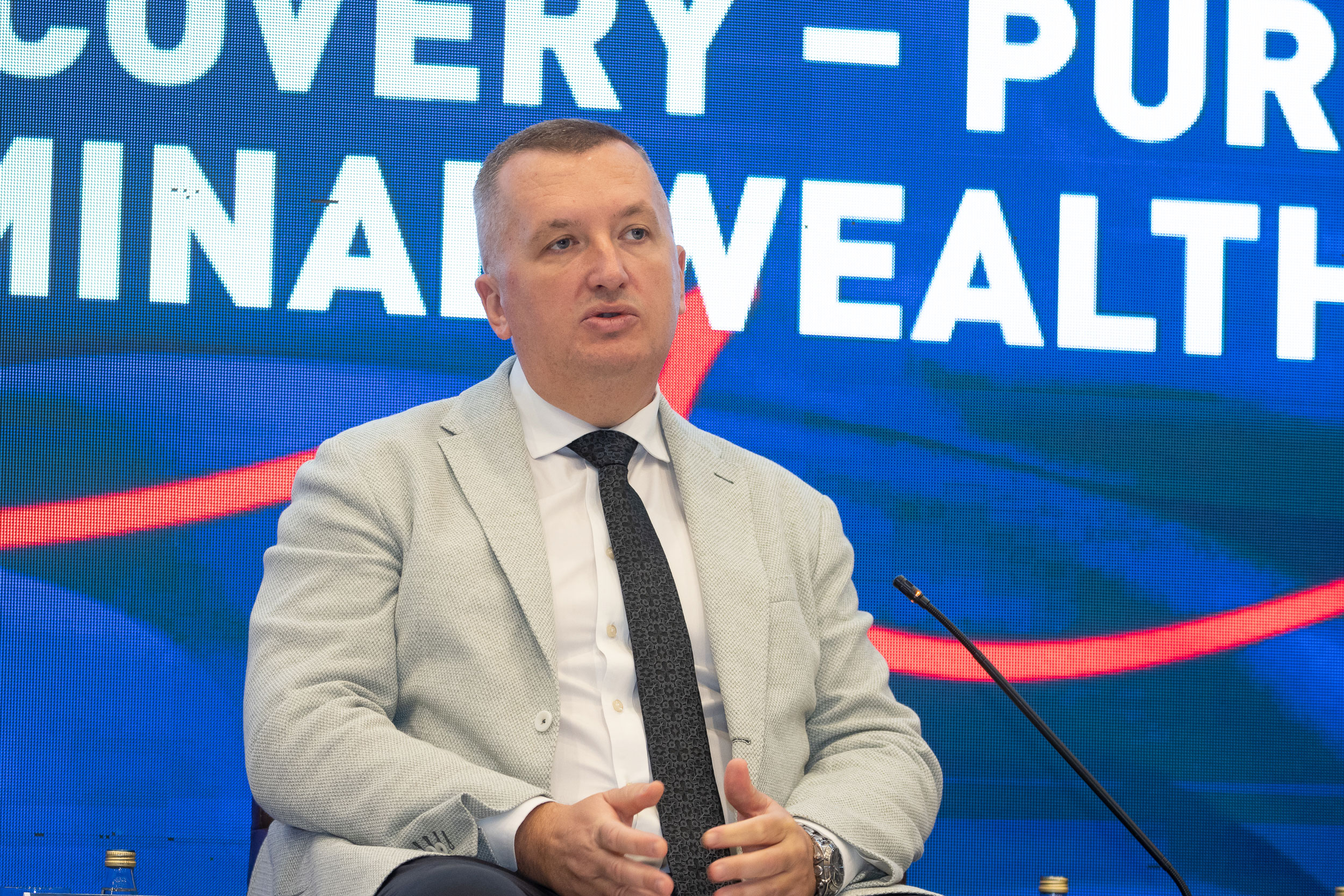
Professor Mujanović outlined the region’s progress and sticking points. While most Western Balkan jurisdictions have adopted modern frameworks for freezing, seizure and confiscation, and several have introduced extended confiscation and strengthened cooperation tools, the results remain limited.
“Confiscation levels are still too low because the bottlenecks are practical: financial investigations that start too late or run too shallow, over-stretched prosecutors handling complex cross-border schemes, and cooperation that depends too much on personalities rather than systems. The gap is not in the law on paper, but in consistent, coordinated application”, he concluded.
The message from Podgorica was clear: confiscation is the fastest way to prove that crime does not pay. Recovering stolen assets deters criminals, restores funds to the public purse, and shows citizens that laws are enforced. It also aligns directly with EU expectations, as performance on asset recovery is increasingly treated as a measure of credibility in justice reforms.
This is why the discussion matters for the Berlin Process Summit in London. Leaders will focus on security, growth and governance — and asset recovery delivers on all three. It improves security by disrupting criminal finances; it supports growth by returning resources to productive use; and it strengthens governance by demonstrating that institutions act on evidence, not political pressure.
The AIRE Centre’s contribution is practical. Its teams work with judges, prosecutors and investigators across the region, building financial-investigation skills, supporting the use of extended confiscation, and strengthening cooperation through practitioner networks. The organisation’s recent research — including a study on how women are affected by illicit finance and detailed analyses of international standards on confiscation of criminal proceeds — fills gaps that policy often overlooks, ensuring reforms rest on evidence rather than assumptions.